
Understanding OFAC Sanction Checks: Importance and Procedures
In today’s globalized economy, businesses must navigate complex international regulations, including those set by the Office of Foreign Assets Control (OFAC). An OFAC sanction check is a critical process to ensure that organizations do not engage with individuals, entities, or countries that are subject to U.S. economic sanctions. For a comprehensive understanding of how this process works, you can visit OFAC sanction check https://americanflyoutfitters.com/pages/ofac-sanction-check-how-it-works.html.
What is OFAC?
The Office of Foreign Assets Control (OFAC) is an office of the U.S. Department of the Treasury that administers and enforces economic and trade sanctions based on U.S. foreign policy and national security goals. These sanctions are primarily aimed at foreign countries and regimes, terrorists, international narcotics traffickers, and those engaged in activities related to the proliferation of weapons of mass destruction.
Why Are OFAC Sanction Checks Important?
OFAC sanction checks are crucial for several reasons:
- Compliance with Laws: Businesses are required to comply with OFAC regulations to avoid hefty fines and legal penalties.
- Risk Management: By conducting OFAC checks, organizations mitigate risks associated with engaging in unlawful transactions.
- Reputation Protection: Avoiding engagement with sanctioned parties helps maintain a company’s reputation and credibility in the market.
- Facilitating International Trade: Proper checks allow businesses to engage in legitimate international trade without running afoul of prohibited parties.
How Do OFAC Sanction Checks Work?
The OFAC sanction check process involves several steps:
- Identify the Parties: Gather and identify all parties involved in a transaction, including individuals and entities.
- Access the OFAC Lists: Utilize the information available on OFAC’s website, which includes the Specially Designated Nationals and Blocked Persons List (SDN List) and other sanctions lists.
- Conduct the Check: Compare the names of parties involved in the transaction against the OFAC lists to identify any potential matches.
- Conduct Due Diligence: Investigate any potential matches to determine if further action is necessary or if the match is a common name with no relation to a sanctioned entity.
- Document Findings: Maintain proper documentation of all checks performed as part of compliance records.
Types of Sanctions Enforced by OFAC
OFAC imposes a variety of sanctions, including the following:
- Comprehensive Sanctions: Affect entire countries and prohibit all transactions.
- Selective Sanctions: Target specific individuals, entities, or activities with a narrower focus.
- Sectoral Sanctions: Restrict dealings in specific sectors of an economy, such as energy or finance.
Consequences of Non-Compliance
Failing to perform OFAC sanction checks can lead to severe consequences:
- Fines and Penalties: Businesses may face significant financial penalties, sometimes running into millions of dollars.
- Loss of Business Opportunities: Companies may lose the ability to conduct business in certain markets or with specific partners.
- Legal Action: Sanction violations can lead to criminal charges or civil litigation.
- Reputation Damage: Companies risk harming their brand and public perception through associations with sanctioned entities.
Best Practices for Conducting OFAC Sanction Checks
To ensure effective OFAC sanction checks, businesses should adopt the following best practices:
- Automate Compliance Processes: Use automated tools and software to facilitate the checking process, making it efficient and consistent.
- Regular Training: Train employees on compliance obligations and keep them updated on changes to sanctions lists and regulations.
- Document Everything: Maintain thorough documentation of all checks and due diligence conducted to ensure transparency and accountability.
- Consult Legal Experts: When in doubt, seek guidance from compliance experts or legal counsel to navigate complex sanctions regulations.
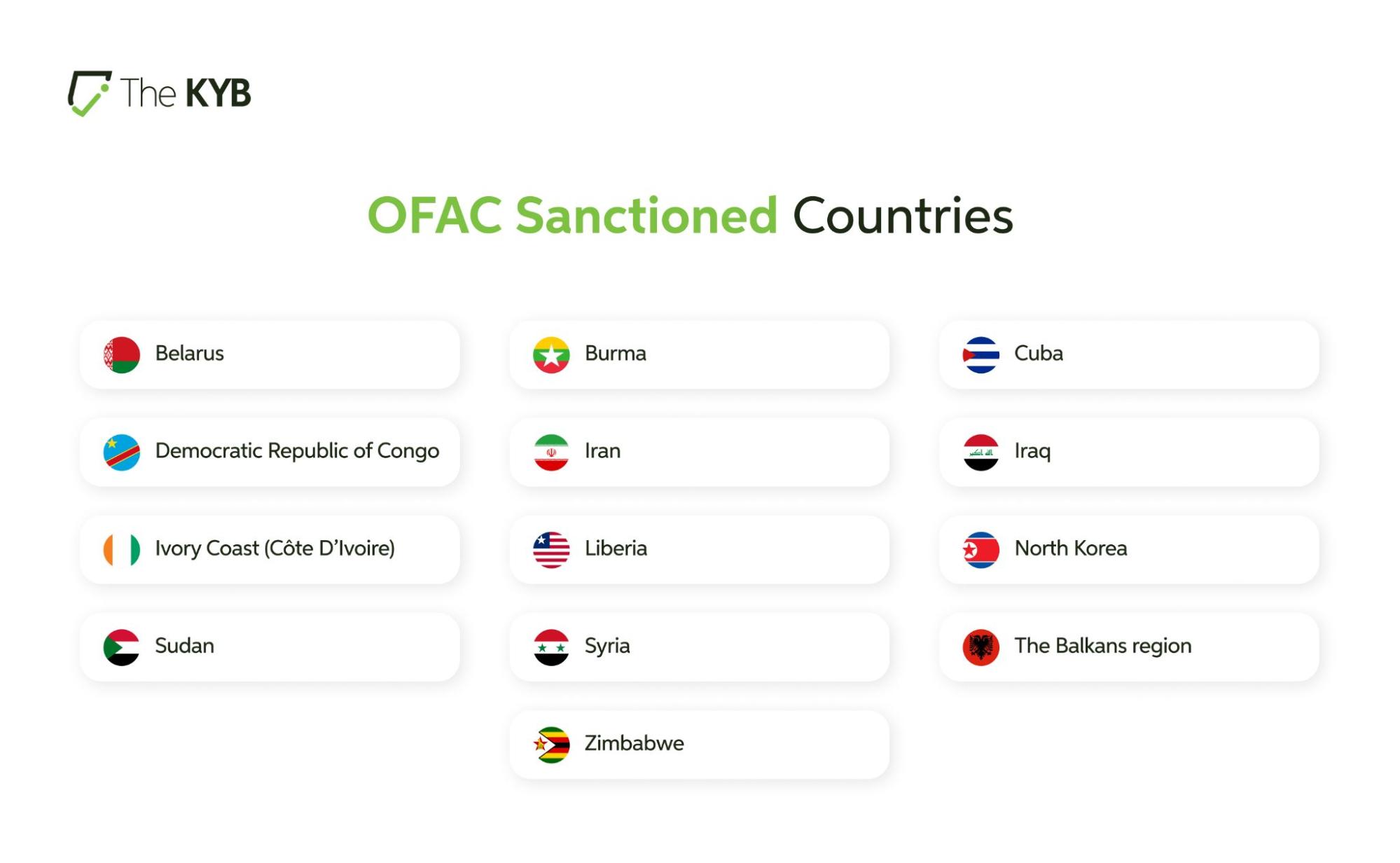
The Global Impact of OFAC Sanction Checks
As the United States plays a significant role in global trade, its sanction regulations can influence international relations and commerce. Many countries align their sanctions with those of the U.S., thereby amplifying the reach of OFAC regulations. As a result, businesses that operate globally must be vigilant in their compliance efforts, as failing to adhere to OFAC regulations can have far-reaching consequences beyond the U.S. borders.
Conclusion
OFAC sanction checks are a vital component of international trade compliance. They protect businesses from legal repercussions and reputational damage while promoting lawful transactions in the global market. By understanding the importance of these checks and implementing best practices, organizations can navigate the complexities of international regulations effectively and ethically.