Cultural perceptions of gambling what influences our views
The Historical Context of Gambling
Gambling has a rich history that stretches back thousands of years, shaping how different cultures view games of chance. In ancient civilizations, such as those in Mesopotamia and China, gambling was often intertwined with religious and social practices. For instance, Chinese culture has a long-standing tradition of using dice and betting as part of festivals and celebrations, creating a perception that gambling is an integral part of communal life. This historical context continues to influence contemporary views on gambling, with societies often reflecting on their past to form their current beliefs. If you want to explore more about online gaming options, check out pickwin-canada.com/, where players can find a wide variety of games.
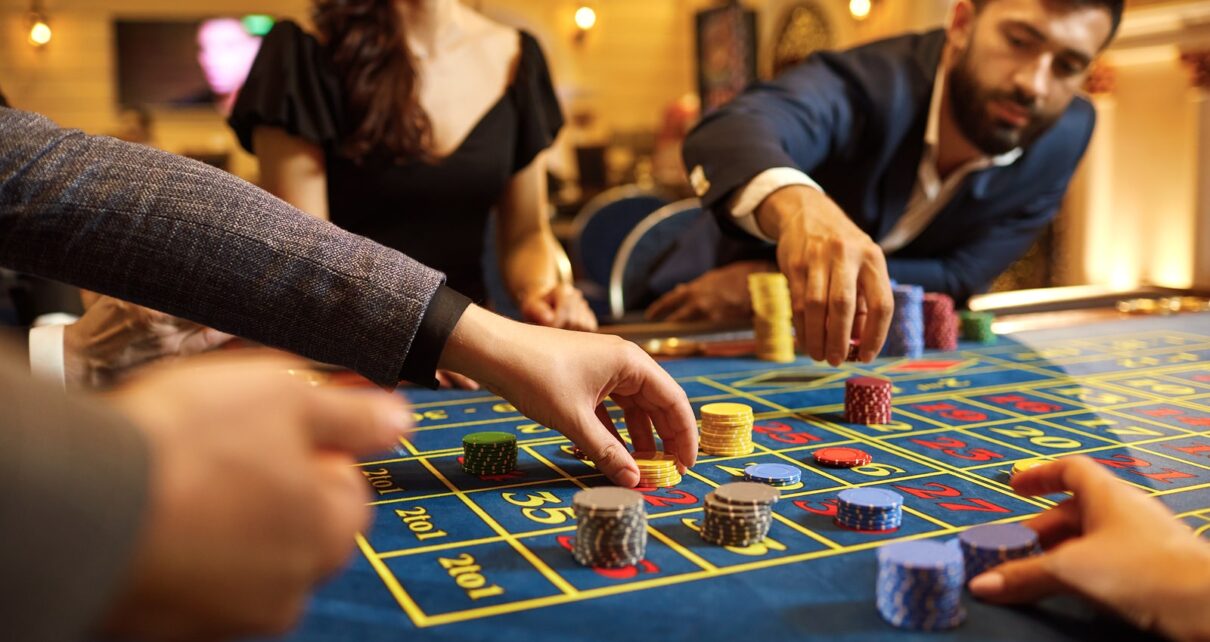
Moreover, historical narratives around gambling are often steeped in moral judgments. In many Western cultures, gambling has been associated with vice and moral decay, often depicted in literature and folklore as a source of personal ruin. Such narratives have led to significant cultural stigma, framing gambling as a dangerous activity that can lead to addiction and social problems. This moral framing continues to impact modern regulations and societal acceptance of gambling, with some communities choosing to embrace it as a source of entertainment while others remain wary.
Additionally, government policies around gambling have evolved based on historical perceptions. For instance, during the early 20th century, many countries implemented strict regulations and prohibitions on gambling due to its negative associations. However, as societies progressed and began to view gambling more favorably, particularly as a source of tax revenue, some governments have loosened restrictions, reflecting a shift in cultural attitudes. These historical nuances contribute significantly to the diverse views surrounding gambling today.
The Role of Religion in Gambling Perceptions
Religion plays a crucial role in shaping cultural attitudes toward gambling. Many religious traditions view gambling as morally objectionable, leading to widespread disapproval within certain communities. For instance, in Islam, gambling is explicitly prohibited, and adherents often perceive it as a form of exploitation and a distraction from spiritual duties. This religious condemnation creates a cultural framework that discourages participation in gambling activities, reinforcing the negative perceptions associated with it.
Conversely, some religious perspectives adopt a more permissive stance on gambling, interpreting it as a form of entertainment rather than an inherently immoral activity. In certain Christian denominations, for example, gambling is often viewed through the lens of moderation and personal choice. This divergence in religious attitudes leads to a complex landscape of beliefs that influences how communities engage with gambling, with some embracing it and others condemning it outright.
The impact of religion on gambling perceptions is further reinforced through community practices and social networks. In cultures where religious beliefs are deeply embedded, communal attitudes toward gambling can significantly affect individual choices. People often look to their religious leaders and community members for guidance, which can either perpetuate negative views or foster acceptance of gambling as a social pastime. These dynamics illustrate how intertwined religion and cultural perceptions of gambling can be.
Economic Influences on Gambling Perceptions
The economic implications of gambling significantly shape cultural perceptions and attitudes. In regions where gambling is legalized and regulated, it is often seen as a means of economic development and job creation. Communities with casinos or gambling establishments frequently experience increased tourism and revenue, leading to more favorable views of gambling as an economic engine. This perception encourages local governments to invest in gambling infrastructure, further entrenching it into the cultural fabric.
On the flip side, areas heavily reliant on gambling revenue may also face criticism for promoting a culture of risk-taking. Critics argue that the economic benefits of gambling can come at the expense of social well-being, particularly concerning issues like addiction and crime. Such concerns prompt communities to reevaluate their relationship with gambling, weighing economic advantages against potential social costs. As a result, economic factors play a dual role in shaping perceptions, creating both support and opposition.
Moreover, the rise of online gambling has introduced new economic dynamics that influence cultural attitudes. Online platforms offer accessibility and convenience, appealing to a broader demographic. This shift has led to changing perceptions, particularly among younger generations who may view online gambling as a harmless form of entertainment. However, concerns over addictive behaviors and financial risks remain prevalent, illustrating the complexities of how economic factors impact cultural views on gambling.
The Influence of Media and Popular Culture
Media representation plays a pivotal role in shaping cultural perceptions of gambling. Movies, television shows, and advertisements often glamorize gambling, portraying it as an exciting and glamorous activity. Popular films like “Casino Royale” and television series like “Las Vegas” contribute to a cultural narrative that idealizes gambling, attracting new participants who may view it as an adventurous lifestyle. This positive portrayal can lead to an increase in gambling participation, especially among young adults influenced by media trends.
However, media representations can also perpetuate negative stereotypes, framing gamblers as reckless or irresponsible. Documentaries and news reports highlighting gambling addiction and its consequences can reinforce societal fears about the dangers of gambling. Such portrayals contribute to the stigma surrounding gambling, affecting how individuals perceive their own engagement with it. The duality of media representation exemplifies its significant impact on public perception.
Additionally, the rise of social media has introduced new avenues for discussing and promoting gambling. Platforms like Instagram and TikTok feature influencers sharing their gambling experiences, which can normalize the activity and create communities around it. This new wave of digital media can either foster acceptance or exacerbate concerns about gambling, illustrating the complex role that media plays in shaping cultural perceptions. As media continues to evolve, its influence on gambling attitudes remains a crucial area of exploration.

PickWin Casino: A Modern Perspective on Gambling
PickWin Casino exemplifies the contemporary approach to gambling, offering a platform that aligns with evolving cultural perceptions. With over 4,000 games available, including slots and live dealer options, PickWin Casino provides a diverse gaming experience that caters to various preferences. This accessibility and variety reflect a shift in gambling culture, where online platforms are becoming increasingly popular among players seeking convenience and entertainment.
Furthermore, PickWin Casino emphasizes responsible gaming practices, demonstrating a commitment to fair play and player protection. By offering resources for responsible gambling and promoting awareness of addiction, the casino aligns itself with the growing movement towards safer gambling environments. This proactive approach addresses societal concerns and fosters a more positive perception of gambling, shifting the narrative from one of exploitation to one of enjoyment within safe boundaries.
Ultimately, PickWin Casino serves as a representation of how modern gambling can adapt to cultural expectations while providing an engaging experience for players. As attitudes toward gambling continue to evolve, platforms like PickWin Casino will play a crucial role in shaping and influencing perceptions, contributing to a more nuanced understanding of gambling in society.
Leave a Reply